

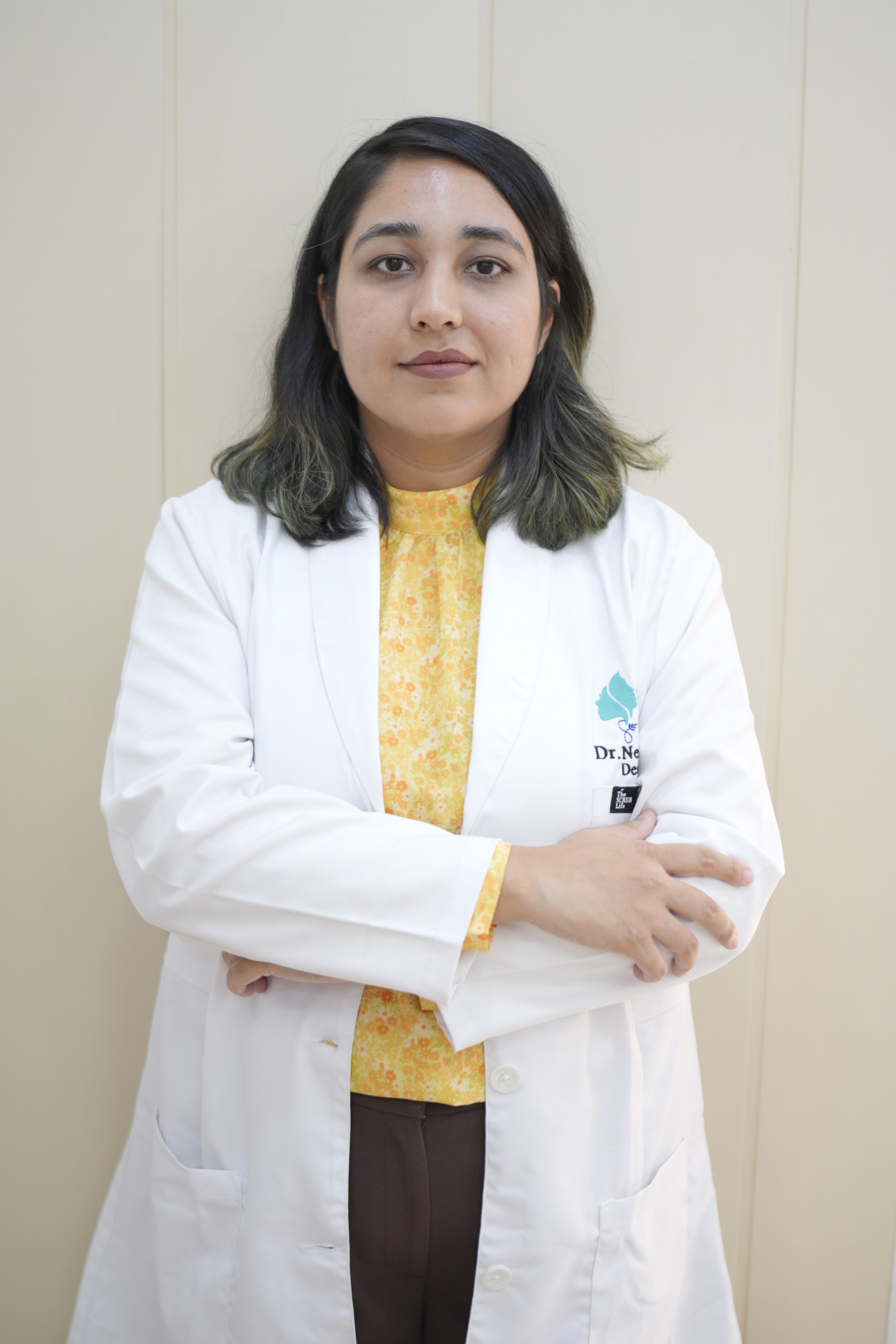
Medically Reviewed by: Dr. Neha Dhankar
MBBS, MD (Dermatology, Venereology & Leprosy) | Skinfinity Derma Clinic
Read Time: 8 Minutes
Best Pigmentation Treatments Recommended By Dermatologists
Dark spots, pigmentation on your face, uneven coloring, and stubborn areas on the face - pigmentation is one of the most frequent issues that dermatologists deal with on a daily basis. Pigmentation can create a big difference in confidence and self-perception whether it is post-acne or sun-induced spots, or melasma caused by hormonal change. The good news? In the current day dermatology has a strong toolbox of options that can visibly lighten, reduce, and even prevent pigmentation - when selected correctly to your skin type.
Our skilled dermatologists at Skinfinity Derma apply clinical skills with the latest technology in order to achieve effective and safe results. Whether you are seeking a pigmentation treatment near me or just seeking a reliable dermatologist in Noida or a skin specialist in Noida, everything you need to know is in this all-in-one guide, including what makes pigmentation, what treatment is recommended by dermatologists around the world, and what does it cost.
What Is Skin Pigmentation? Understanding the Root Cause
Pigmentation refers to the colouring of the skin caused by a pigment called melanin, produced by specialised cells called melanocytes. When these cells become overactive or damaged, they produce excess melanin in certain areas, leading to dark patches or spots. This condition is medically known as hyperpigmentation.
Common types of pigmentation include:
-
Melasma: Brown or greyish spots that are usually found on the cheeks, forehead, and the upper lip - usually caused by hormonal fluctuations, pregnancy or oral contraceptives.
-
Post-Inflammatory Hyperpigmentation (PIH): Dark spots that remain after acne, eczema, or any damage to the skin.
-
Sunspots (Solar Lentigines): Dark spots that are flat due to a long-term exposure of the skin to the sun, particularly the face, hands and shoulders.
-
Freckles and Age Spots: Clusters of melanin which are genetically affected or are brought about by the UV, and which increase with age.
The first and most important thing is to understand what and how deeply pigmented you are and here is where a qualified skin expert in Noida may prove to be your savior. Self-diagnosis and over-the-counter solutions are usually ineffective since they fail to deal with the underlying cause.
Why You Should Always Consult a Dermatologist First
Endless creams, serums, and homemade solutions are flooding the market, which makes it easy to take a short cut. All pigmentation, however, does not react similarly. The problem may be exacerbated by using an incorrect product, particularly with darker Indian skin tones, which may lead to further inflammation or even a permanent damage.
The dermatologist in Noida will assess your Fitzpatrick phototype (light through dark) based on a scale, determine the degree of pigmentation under a Woods lamp or dermoscopy, exclude any underlying health conditions, and develop an individualized treatment plan. This is a safe method particularly given that darker skin complexion is more susceptible to post-inflammatory hyperpigmentation to aggressive treatments such as ablative lasers or deep chemical peels.
Book An Appointment
|
Pro Tip: Always mention your complete medical history, ongoing medications, and pregnancy status to your dermatologist before starting any pigmentation treatment. |
Dermatologist-Recommended Pigmentation Treatments
1. Topical Treatments — The First Line of Defence
For most patients, topical agents are the recommended starting point. Dermatologists typically prescribe these either as standalone treatments or in combination with procedural therapies. Key ingredients include:
• Hydroquinone: Considered the gold standard depigmenting agent, hydroquinone works by inhibiting the enzyme tyrosinase, which is essential for melanin production. It is available in concentrations of 2–4% and is most effective when used twice daily with a broad-spectrum sunscreen.
• Retinoids (Tretinoin): Vitamin A derivatives that accelerate skin cell turnover, helping fade dark spots while improving overall skin texture and tone. Often paired with hydroquinone for enhanced results.
• Azelaic Acid: A naturally occurring acid that targets overactive melanocytes while also possessing anti-inflammatory properties, making it particularly suitable for acne-related pigmentation and sensitive skin types.
• Kojic Acid: Derived from fungi, kojic acid inhibits melanin synthesis and is widely used in formulations for melasma and sun spots. Best used under dermatologist guidance as it can occasionally trigger contact sensitivity.
• Vitamin C (Ascorbic Acid): A potent antioxidant that interferes with melanin formation and also protects against UV-induced oxidative stress. Works synergistically with sunscreen.
• Tranexamic Acid: An emerging favourite among dermatologists, tranexamic acid — available both topically and orally — has shown impressive results in reducing melasma by interrupting the UV-triggered pathways that stimulate melanin production.
• Niacinamide: A form of Vitamin B3 that reduces melanin transfer to skin cells, visibly brightening the skin over consistent use. Excellent for maintenance therapy.
If you are searching for a trusted pigmentation treatment near me, our dermatologists at Skinfinity Derma will assess which combination of topical agents suits your skin best before recommending any procedure.
2. Chemical Peels — Exfoliate to Illuminate
Chemical peels are one of the most sought-after in-clinic pigmentation treatments. They work by applying a controlled chemical solution to the skin, causing the outer layers to shed and reveal fresher, more evenly pigmented skin beneath.
Types of peels commonly used for pigmentation include:
• Glycolic Acid Peel (AHA): A superficial peel ideal for mild pigmentation, uneven skin tone, and dullness. Glycolic acid exfoliates effectively while being generally well-tolerated even by sensitive skin. Multiple sessions are usually recommended for optimal results.
• Salicylic Acid Peel (BHA): Best suited for oily or acne-prone skin with PIH, as salicylic acid penetrates pores and reduces inflammation along with addressing surface pigmentation.
• TCA (Trichloroacetic Acid) Peel: A medium-depth peel considered highly effective for melasma and sun damage. Studies show TCA peels can achieve visible improvement in pigmentation severity with a manageable safety profile when performed by a trained dermatologist.
• Lactic Acid Peel: A gentler AHA peel suitable for darker Indian skin tones, helping to lighten and hydrate simultaneously.
It is important to note that deeper peels carry a higher risk of post-inflammatory hyperpigmentation in darker skin tones. A skin specialist in Noida at Skinfinity Derma will carefully select the appropriate peel strength and formulation to match your skin type, minimising downtime and risk.
3. Laser Treatments — Precision Pigment Removal
Laser therapy represents one of the most advanced and effective options for stubborn pigmentation that does not respond adequately to topical treatments or peels. Lasers work by targeting melanin with specific wavelengths of light, breaking up pigment clusters without significantly damaging surrounding skin tissue.
Laser treatments recommended by dermatologists for pigmentation include:
• Q-Switched Nd:YAG Laser: Highly recommended for Indian skin tones due to its excellent safety profile in darker complexions. Works by delivering nanosecond pulses of energy to shatter melanin deposits. Particularly effective for tattoo pigmentation, melasma, and age spots.
• Picosecond Lasers (PicoSure, PicoWay): The latest generation of pigment lasers, delivering ultra-short picosecond pulses that break up melanin even more efficiently with fewer treatment sessions and reduced risk of thermal damage. Studies show picosecond laser efficacy rates for solar lentigines ranging from 67.9% to 93%.
• Intense Pulsed Light (IPL): A broad-spectrum light-based therapy particularly effective for sun-induced pigmentation and redness. IPL has demonstrated success rates of up to 90% for treating solar lentigines. Best suited for lighter Fitzpatrick skin types.
• Fraxel (Fractional Non-Ablative Laser): Used to target and fade diffuse dark spots and melasma through controlled micro-columns of treatment that stimulate collagen while addressing pigmentation.
• Non-Ablative Lasers (Aerolase, Clear + Brilliant): Gentle, non-wounding lasers ideal for overall skin rejuvenation and early pigmentation management, with minimal downtime.
Ablative lasers, while powerful, are generally not recommended for darker Indian skin tones due to the elevated risk of post-inflammatory hyperpigmentation. Always ensure your dermatologist in Noida has specific expertise and training in laser treatments for South Asian skin.
4. Microneedling — Collagen Induction for Pigment Reduction
Microneedling uses a device with fine needles to create controlled micro-injuries on the skin surface. This stimulates the skin's natural healing response and collagen production, improving texture, tone, and pigmentation. When combined with serums containing tranexamic acid, vitamin C, or growth factors, the results are amplified significantly.
Advanced protocols such as exosome-augmented microneedling are showing promising results in clinical studies, offering enhanced pigment clearance with an improved safety profile — particularly relevant for patients who cannot undergo laser treatments. Microneedling is generally safe across all skin tones and is a popular choice for patients with PIH or acne-related pigmentation.
5. Oral Medications — Systemic Support
For moderate-to-severe melasma, especially in patients with hormonal triggers, dermatologists may prescribe oral treatments alongside topical agents:
• Oral Tranexamic Acid: Has emerged as a highly effective systemic treatment for melasma. It works by inhibiting the plasminogen-keratinocyte interaction that triggers melanin production. Typically prescribed in low doses for 3–6 months under dermatologist supervision.
• Oral Antioxidants: Supplements including polypodium leucotomos extract and Vitamin C have shown benefit in preventing UV-induced melanin formation as adjunct therapy.
6. Sunscreen — The Non-Negotiable Foundation
Even the most high-tech pigmentation treatment will not give long-term results without rigorous daily sun protection. The largest trigger of melanin overproduction is UV radiation. Dermatologists suggest that one should use a wide range of sunscreen with SPF of 30 or above (SPF 50 is better suited to the Indian climatic conditions) that is applied in the mornings and reapplied after every two hours when outside.
In the case of pigmented skin, colored sunscreens with iron oxides are especially advised since they also block visible light which is a known cause of melasma that is not blocked by regular UV filters.
|
Skinfinity Derma Recommends: Sunscreen is not just for sunny days. UV rays penetrate through clouds and glass, making daily application essential year-round — especially in Noida's climate. |
Combination Therapy — The Future of Pigmentation Treatment
Multi-target, combination-based approaches to pigmentation management have become the leading choice of dermatologists around the world. Instead of using one type of treatment, a combination of topical agents and procedural treatments, like a chemical peel then a laser maintenance treatment or microneedling with topical brightening serums, yields better and faster lasting effects.
An example of a typical combination protocol at a dermatology clinic such as Skinfinity Derma could include a topical regimen of hydroquinone, retinoin and sunscreen as the baseline, a series of glycolic acid or salicylic acid peels every 34 weeks, Q-Switched or picosecond laser sessions of deeper or resistant pigmentation, and maintenance with niacinamide, tranexamic
Who Is the Right Candidate for Pigmentation Treatment?
Most adults experiencing any form of hyperpigmentation can benefit from dermatologist-guided treatment. You are a good candidate if you:
• Have persistent dark spots, patches, or uneven skin tone despite using OTC products.
• Notice melasma or pigmentation worsening with sun exposure or hormonal changes.
• Have post-acne marks that have not faded after 6 months.
• Are in overall good health and have realistic expectations.
However, pregnant or breastfeeding women should avoid certain treatments such as strong chemical peels, high-concentration retinoids, and laser procedures. Always disclose your full health status to your dermatologist in Noida before beginning any treatment plan.
What to Expect: Timelines and Results
One of the most common questions patients ask is: "How long will it take to see results?" Here is a realistic overview:
• Topical treatments: Visible improvement in 6–12 weeks with consistent twice-daily use.
• Chemical peels: Noticeable brightening after 3–6 sessions spaced 3–4 weeks apart.
• Laser treatments: Significant reduction in pigmentation visible after 2–4 sessions, depending on severity.
• Microneedling: Gradual improvement over 3–6 sessions with continued progress post-treatment.
Patience is essential. Pigmentation treatment is a process, not an overnight fix. Consistency with both your in-clinic treatments and home care regimen — especially sunscreen use — is what determines long-term success.
Why Choose Skinfinity Derma for Your Pigmentation Treatment in Noida?
At Skinfinity Derma, we know that all skins are different - and that pigmentation therapy on Indian skin tones takes a very special skill. Our team of highly trained dermatologists works in the diagnosis and treatment of all types of hyperpigmentation with evidence-based procedures that are safe in the South Asian complexion.
It is due to the following reason that patients throughout Noida have confidence in us:
Here is why patients across Noida trust us:
-
High Technology Lasers: We have high-cutting-edge laser equipment such as Q-Switched Nd:YAG lasers and picosecond lasers specifically cut to Indian skin types.
-
Individualised Protocols: There are no two treatment plans. We create tailor-made programmes depending on your skin type, pigmentation type and lifestyle.
-
Certified Experts: Our dermatologists are board-certified experts who have years of clinical experience to treat melasma, PIH, and sun damage in South Asian patients.
-
Comprehensive Care: We accompany you throughout your skin journey, since the initial consultation up to the maintenance therapy.
-
Safe & Ethical Practice: We are guided by evidence-based procedures and do not offer unnecessary procedures.
If you have been searching for pigmentation treatment near me or looking for the most trusted dermatologist in Noida, look no further. Book your consultation at Skinfinity Derma today and take the first step towards clearer, more confident skin.
Final Thoughts
Pigmentation is a complicated yet highly treatable disorder. With the correct diagnosis, an individual treatment schedule and regular follow-up, you can have the visibly clearer and even-looking complexion. It is important to visit a trained skin expert in Noida who is knowledgeable about the special needs of your skin, not to experiment with over-the-counter products.
Modern dermatology has impressive choices: hydroquinone and retinoids, picosecond lasers and exosome-enhanced microneedling. With an expert combination of these treatments and careful following up with daily sun protection, long-term results are by no means unachievable.
In Skinfinity Derma, we care about the health of your skin. Get in contact with our team today in order to arrange a comprehensive skin consultation and start working on your path towards pigmentation-free, glowing skin.
Disclaimer: This article is intended for informational purposes only and does not constitute medical advice. Please consult a qualified dermatologist before beginning any skin treatment.

 Call Now
 WhatsApp