
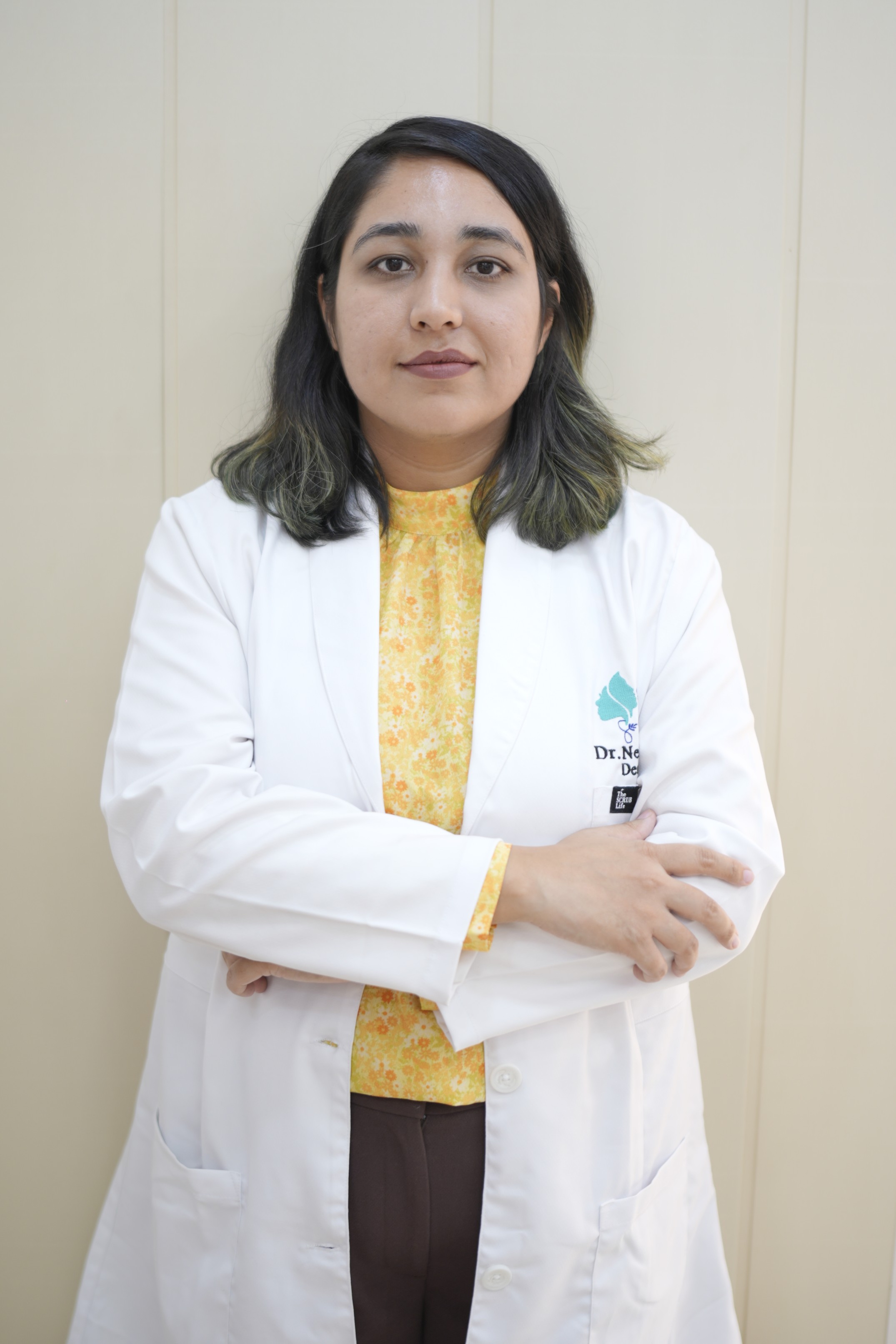
Medically Reviewed by: Dr. Neha Dhankar
MBBS, MD (Dermatology, Venereology & Leprosy) | Skinfinity Derma Clinic
Read Time: 8 Minutes
A persistent rash may require medical treatment. Acne may need a plan that prevents new scars. Pigmentation can also worsen when treated without understanding its cause.
Choosing a dermatologist should therefore involve more than comparing clinic photographs or promotional packages. The doctor’s qualifications and diagnostic approach matter. Treatment safety and follow-up care are equally important.
A dependable skin specialist in Gurgaon should examine the concern before recommending medicines or procedures. The treatment plan should also explain expected improvement and possible recovery.
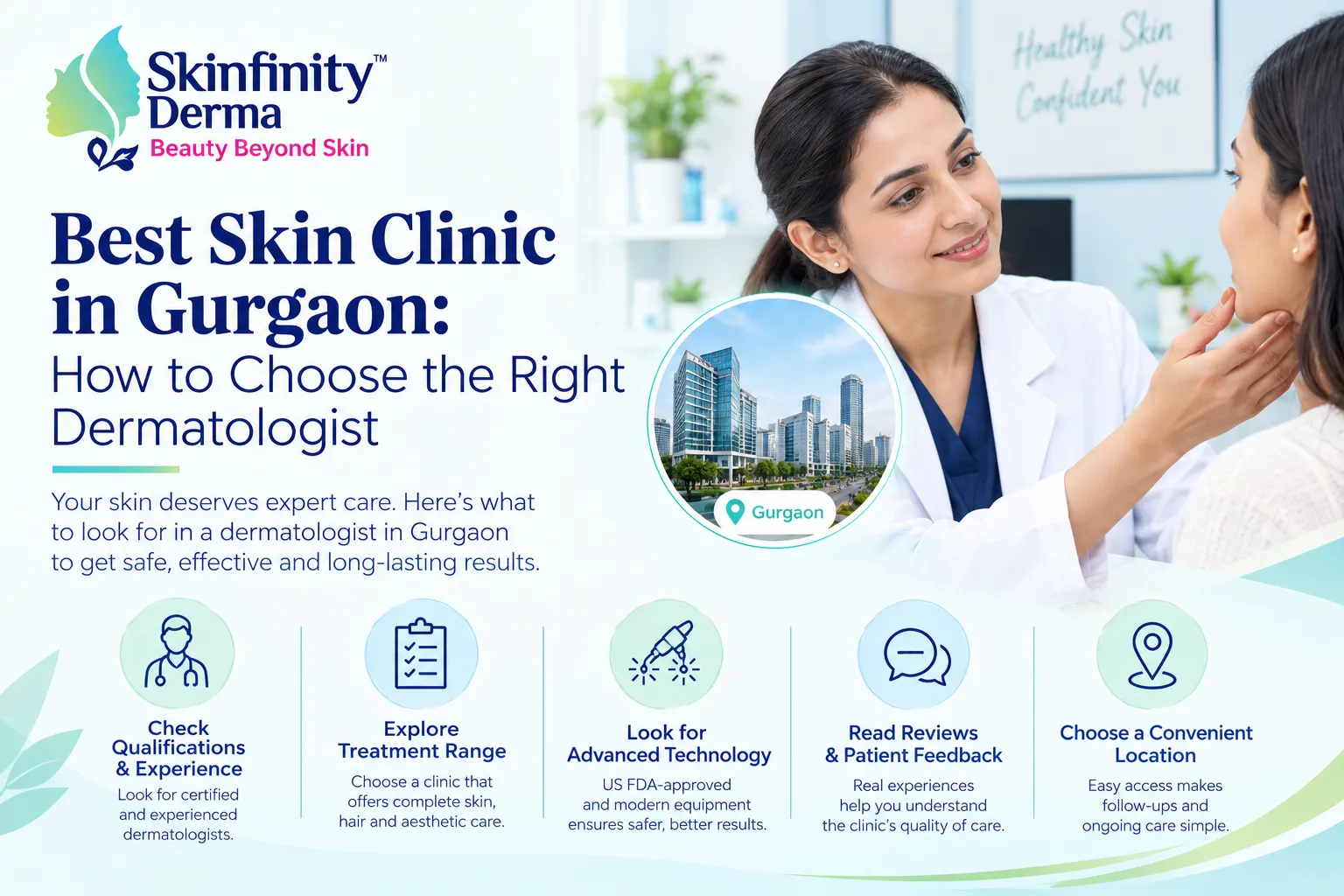
This guide explains how to choose the best skin clinic in Gurgaon for your concern. It also covers the qualifications and services patients should evaluate before booking a consultation.
What Makes a Good Skin Clinic in Gurgaon?
A good dermatology clinic places diagnosis before treatment. The doctor should understand the patient’s symptoms and medical history before recommending a procedure.
Important features include:
-
Qualified Dermatologists
The clinic should clearly mention the doctor’s medical qualifications. A dermatologist is a medical doctor who specialises in conditions affecting the skin, hair and nails.
Patients should be able to verify the dermatologist’s registration. A short aesthetic course does not replace recognised medical training in dermatology.
-
Detailed Consultation
The dermatologist should ask when the concern began and whether it causes itching or pain. Previous treatments and current skincare should also be reviewed.
The consultation may include questions about:
-
Medical conditions
-
Current medicines
-
Known allergies
-
Pregnancy or breastfeeding
-
Previous cosmetic procedures
-
History of abnormal scarring
-
Recent sun exposure
-
Past reactions to skincare
This information helps the doctor recognise contraindications.
-
Clear Diagnosis
The clinic should explain the likely diagnosis before recommending treatment. Acne and rosacea can both cause facial redness, but their management differs.
Pigmentation also has several possible causes. Melasma requires a different approach from post-acne marks or contact dermatitis.
-
Hygiene and Infection Control
The treatment room should be clean and prepared before every procedure. Single-use items must be discarded correctly.
Reusable equipment should be disinfected according to its protocol. Staff should follow appropriate hand hygiene during procedures.
-
Realistic Treatment Expectations
A dependable clinic does not guarantee permanent or immediate results. Skin response varies between patients.
The doctor should explain:
-
What the treatment may improve
-
How many sessions may be required
-
When results may become visible
-
Whether maintenance is necessary
-
What side effects can occur
-
How much recovery may be expected
-
Proper Aftercare Instructions
Patients should receive clear instructions after a peel or laser session. Injectable treatments and microneedling also require appropriate aftercare.
The instructions should explain which products to avoid. They should also state when the patient should contact the clinic.
-
Accessible Follow-Up
Some reactions develop after the patient has returned home. The clinic should explain how follow-up concerns are handled.
A clear point of contact is particularly important after injectables or energy-based procedures.
Qualifications to Check Before Choosing a Dermatologist
The words “skin expert” and “aesthetic specialist” do not always indicate the same level of medical training. Patients should review the complete qualification.
1. Medical Degree
An MBBS qualification provides the foundation for medical practice. However, MBBS alone does not indicate specialist postgraduate training in dermatology.
2. Postgraduate Dermatology Qualification
Recognised qualifications may include:
-
MD in Dermatology, Venereology and Leprosy
-
DNB in Dermatology
-
DVD
-
DDV
-
Another recognised postgraduate dermatology qualification
Different qualifications represent different training routes. Patients should verify both the qualification and medical registration.
3. Experience With the Concern
A dermatologist may work across medical dermatology and aesthetic procedures. However, some doctors develop greater experience in specific areas.
Ask whether the dermatologist regularly manages concerns such as:
-
Severe acne
-
Melasma
-
Hair loss
-
Psoriasis
-
Vitiligo
-
Acne scars
-
Laser procedures
-
Injectable treatments
Experience with a specific procedure is especially important when treatment involves needles or energy-based devices.
4. Medical Registration
The doctor should have an active registration with the appropriate medical authority. Patients can ask the clinic for the registration number when it is not displayed.
5. Procedure-Specific Training
A dermatologist performing lasers should understand the device and its settings. The doctor should also know how different skin tones respond to energy.
Injectable procedures require detailed knowledge of facial anatomy. The treating professional should be able to identify and manage complications.
6. Professional Communication
A qualified doctor should explain the treatment in understandable language. Patients should have time to ask questions before giving consent.
Pressure to purchase a package immediately should be treated cautiously.
Common Skin Problems Treated by Dermatologists
A dermatologist in Gurgaon can assess medical conditions and aesthetic concerns. The treatment depends on the diagnosis and severity.
1. Acne
Acne may involve blackheads or inflamed pimples. Deeper nodules can increase the risk of scarring.
Treatment may include topical medicines or oral treatment. Hormonal evaluation may be considered when the history suggests an underlying concern.
2. Acne Marks and Scars
Flat brown acne marks are different from structural scars. Pigmentation may improve with skincare or superficial procedures.
Deep scars may require:
-
Microneedling
-
MNRF
-
Subcision
-
TCA CROSS
-
Fractional laser treatment
-
Combination scar correction
Active acne should usually be controlled before scar treatment begins.
3. Pigmentation
Pigmentation can develop after acne or irritation. Sun exposure can make existing patches darker.
A dermatologist may assess:
-
Melasma
-
Post-inflammatory hyperpigmentation
-
Sun spots
-
Freckles
-
Pigmentation around the mouth
-
Drug-related pigmentation
Pigmentation treatment may involve medical skincare or chemical peels. Selected patients may be considered for laser procedures.
4. Eczema and Dermatitis
Eczema may cause itching or dry patches. Contact dermatitis can develop after exposure to an irritating product or allergen.
Treatment focuses on controlling inflammation and supporting the skin barrier. Trigger identification may also be necessary.
5. Fungal and Bacterial Infections
A fungal infection can resemble eczema or dry skin. Using an incorrect steroid cream may temporarily hide the symptoms while allowing the infection to spread.
A dermatologist can identify the likely cause and prescribe appropriate treatment.
6. Psoriasis
Psoriasis can cause thick and scaly patches. It may affect the scalp or nails.
Long-term management depends on the severity and areas involved. Some patients require topical treatment, while others need systemic medicines.
7. Vitiligo
Vitiligo causes areas of pigment loss. A dermatologist may examine the pattern and check whether the condition is stable.
Treatment depends on the location and extent of the patches.
8. Rosacea
Rosacea may cause persistent redness and facial sensitivity. Some patients develop acne-like bumps or visible blood vessels.
Harsh exfoliation can worsen rosacea. A dermatologist can recommend a gentler routine and suitable medical treatment.
9. Hair and Scalp Concerns
Dermatologists also manage concerns affecting the scalp and hair.
These may include:
-
Pattern hair loss
-
Excessive shedding
-
Alopecia areata
-
Dandruff
-
Seborrhoeic dermatitis
-
Scalp psoriasis
-
Scalp infections
A scalp examination may be followed by blood tests when a nutritional or medical cause is suspected.
10. Nail Disorders
Nail discolouration can develop because of injury or infection. Psoriasis may also affect the nails.
Persistent nail changes should be assessed before using antifungal treatment without a diagnosis.
Advanced Skin and Laser Treatments in Gurgaon
Modern dermatology clinics may offer clinical procedures alongside medical treatment. Suitability depends on the concern and skin type.
1. Chemical Peels
Chemical peels create controlled exfoliation. Superficial peels may help with selected acne or pigmentation concerns.
The acid and contact time should be adjusted for the patient’s skin. Strong peels can cause inflammation and post-inflammatory pigmentation.
2. Laser Hair Reduction
Laser hair reduction targets pigment within the hair follicle. The dermatologist should assess the hair and skin before treatment.
Device settings must be selected carefully for Indian skin. Eye protection and suitable cooling should be used.
3. Laser Pigmentation Treatment
Selected lasers can target certain forms of pigmentation. The correct device depends on the colour and depth of the pigment.
Melasma may worsen after excessive heat. A dermatologist should decide whether laser treatment is appropriate.
4. Fractional Laser Resurfacing
Fractional lasers create controlled treatment zones within the skin. They may be used for acne scars or selected texture concerns.
Recovery varies according to the device and intensity. Temporary redness or crusting may occur.
5. Microneedling Radiofrequency
MNRF combines controlled needle penetration with radiofrequency energy. It may support collagen remodelling in selected acne scars.
Needle depth and energy should reflect the scar pattern. Indian skin requires careful parameters to reduce unwanted pigmentation.
6. HIFU and Skin Tightening
HIFU delivers focused ultrasound energy beneath the skin. It may be considered for mild skin laxity or reduced jawline definition.
It does not produce the same degree of lifting as surgery. Results develop gradually as collagen remodelling occurs.
7. Botulinum Toxin and Dermal Fillers
Botulinum toxin may soften selected expression lines by reducing muscle activity. Dermal fillers restore volume or support facial contours.
These procedures serve different purposes. Both require a qualified medical injector with a detailed understanding of facial anatomy.
8. Skin Boosters
Skin boosters are used to support hydration and overall skin quality. They may suit people concerned about dull or dehydrated-looking skin.
They do not provide the same contouring effect as conventional fillers.
9. PRP and GFC Therapy
PRP and GFC may be considered for selected hair concerns. The patient’s own blood is processed to prepare the treatment material.
These procedures are not suitable for every type of hair loss. Diagnosis should come first.
10. Mole and Skin-Tag Removal
Moles and skin tags may be removed using different methods. However, a changing or unusual mole should be medically assessed before cosmetic removal.
Why Skin Diagnosis Matters Before Treatment
The same visible symptom can have several causes. Diagnosis determines whether the patient needs medicine or a clinical procedure.
-
Acne-Like Bumps May Have Different Causes
Facial bumps may represent acne or rosacea. Folliculitis can also resemble acne.
Using strong acne products on sensitive rosacea-prone skin may increase irritation.
-
Pigmentation Requires Cause-Specific Treatment
Dark patches can develop because of melasma or inflammation. Contact dermatitis and certain medicines can also cause pigmentation.
Laser treatment may help one type of pigment while making another concern worse.
-
Hair Fall Does Not Have One Universal Treatment
Hair shedding may follow illness or emotional stress. Genetics can cause progressive thinning.
A scalp infection or confirmed nutritional deficiency requires a different plan. Starting procedures without diagnosis may delay suitable treatment.
-
Persistent Rashes May Need Medical Review
A recurring rash may represent eczema or psoriasis. Fungal infection is another possibility.
The wrong cream can change the appearance of the rash without treating its cause.
-
Cosmetic Procedures Have Contraindications
Active infection may require a procedure to be delayed. Pregnancy can also influence treatment selection.
The dermatologist should review current medicines and previous procedures before planning treatment.
Why Choose SKINFINITY Derma in Gurgaon?
-
Qualified Dermatology Team
At SKINFINITY Derma, you are cared for by experienced dermatologists with recognised postgraduate qualifications, including MD and DNB training in Dermatology, Venereology and Leprosy. Our doctors combine medical expertise with an understanding of aesthetic concerns. We also believe you should feel informed and comfortable, so you can discuss your dermatologist’s qualifications and treatment approach before beginning care.
-
Personalised Skin Assessment
We begin with a consultation that considers the patient’s symptoms and medical history. Previous products and procedures are also reviewed.
The dermatologist examines the concern before discussing treatment. This helps distinguish between conditions that may look similar.
The plan is created according to the diagnosis and skin sensitivity. Expected results and treatment limitations are explained during the consultation.
-
Medical and Aesthetic Treatment Options
Our Gurgaon clinic provides care for acne and pigmentation. Patients can also seek assessment for allergies or chronic skin conditions.
Suitable patients may be considered for:
-
Chemical peels
-
Laser hair reduction
-
Acne-scar procedures
-
Laser rejuvenation
-
HIFU
-
Skin boosters
-
Injectables
-
Hair-restoration procedures
-
Doctor-Led Technology Selection
Advanced equipment is useful only when the correct device and settings are selected. Our dermatologists consider the treatment area and skin tone before choosing a protocol.
This is especially important for Indian skin because excessive heat can cause post-inflammatory pigmentation. Test spots or conservative settings may be used when appropriate.
The doctor also explains whether the procedure requires preparation. Aftercare guidance is provided according to the treatment.
-
Follow-Up and Patient Education
Treatment does not end when the procedure is completed. Patients need to understand how to care for their skin during recovery.
Our team explains which products can be resumed and when. Patients are also informed about reactions that might require medical review.
Long-term concerns may require maintenance or follow-up appointments. Patients can book a dermatology consultation at SKINFINITY Derma for an individual assessment.
Which Is the Best Skin Clinic in Gurgaon?
The best clinic is one that matches the patient’s medical needs. It should have qualified dermatologists and clear infection-control practices.
The clinic should examine the concern before recommending products or procedures. Patients should also receive information about expected recovery and possible side effects.
When comparing clinics, consider:
-
The dermatologist’s postgraduate qualification.
-
Medical registration and relevant experience.
-
The quality of the initial consultation.
-
The clinic’s hygiene standards.
-
Who will perform the recommended procedure.
-
Whether aftercare is provided in writing.
-
How the clinic manages follow-up concerns.
-
Whether treatment expectations are realistic.
The best skin specialist in Gurgaon should help the patient understand the diagnosis. Treatment decisions should then be made with informed consent.
Conclusion
Choosing a skin clinic requires more than reviewing social media results. The dermatologist’s qualifications and diagnostic approach deserve careful attention.
A reliable clinic should explain why a treatment is being recommended. Patients should also understand the expected recovery and follow-up plan.
Those seeking a dermatologist in Gurgaon can consult SKINFINITY Derma for personalised medical and aesthetic skin care. Book a consultation to discuss the concern and available treatment options.
Frequently Asked Questions
1. How Do I Choose a Dermatologist in Gurgaon?
Check the doctor’s medical degree and postgraduate dermatology qualification. The medical registration should also be verifiable.
Choose a dermatologist who regularly treats your concern. During the consultation, the doctor should examine the affected area and explain the diagnosis.
For procedures, ask who will perform the treatment and how complications are managed.
2. How Much Does a Dermatologist Consultation Cost in Gurgaon?
The consultation cost varies according to the dermatologist and appointment type. Follow-up policies can also affect the complete amount.
Contact the clinic before booking to confirm the current consultation fee. Ask whether follow-up visits or diagnostic procedures are charged separately.
3. What Skin Problems Require a Dermatologist?
Consult a dermatologist for persistent acne or recurrent rashes. Spreading pigmentation and severe itching also need professional assessment.
Medical review is particularly important for:
-
Painful or cystic acne
-
Acne that leaves scars
-
A rash that spreads
-
Persistent facial redness
-
Sudden pigment changes
-
Patchy hair loss
-
Severe dandruff
-
Nail changes
-
Non-healing sores
-
A mole that changes in size, shape or colour
Early assessment can help identify the cause and prevent unsuitable self-treatment.

 Call Now
 WhatsApp